HAPO ZAMANI ZA KALE
Tanzanian storytelling sessions usually begin with the text depicting an opening or the beginning of a story. Even though members of different communities have their own unique style of starting a tale, Hapo Zamani Za Kale is by far the most common. Our Hapo Zamani Za Kale Project that culminates in an exhibition is a collaboration of Tanzanian artists aimed at promoting Tanzanian Folktales. The project seeks to preserve indigenous stories,
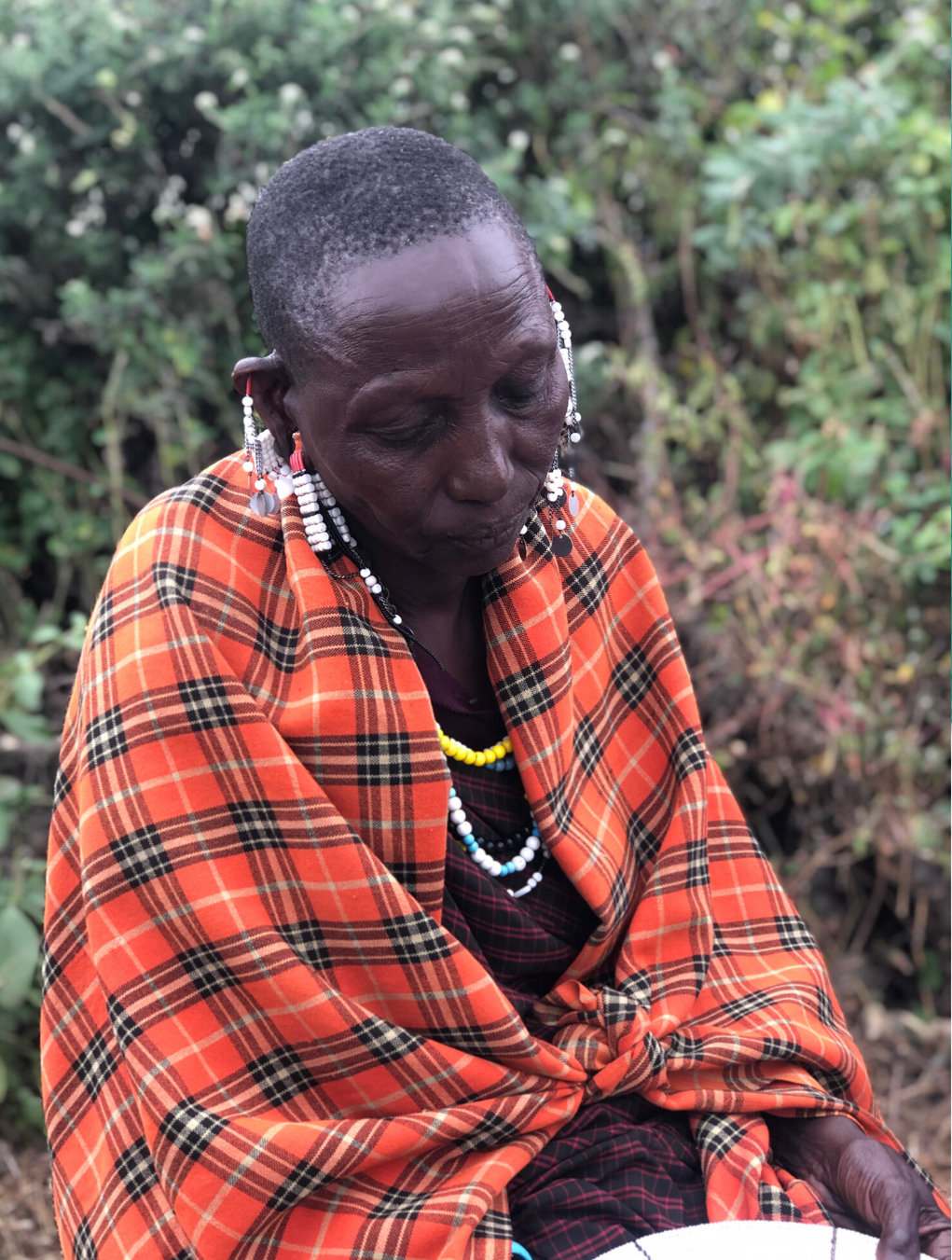
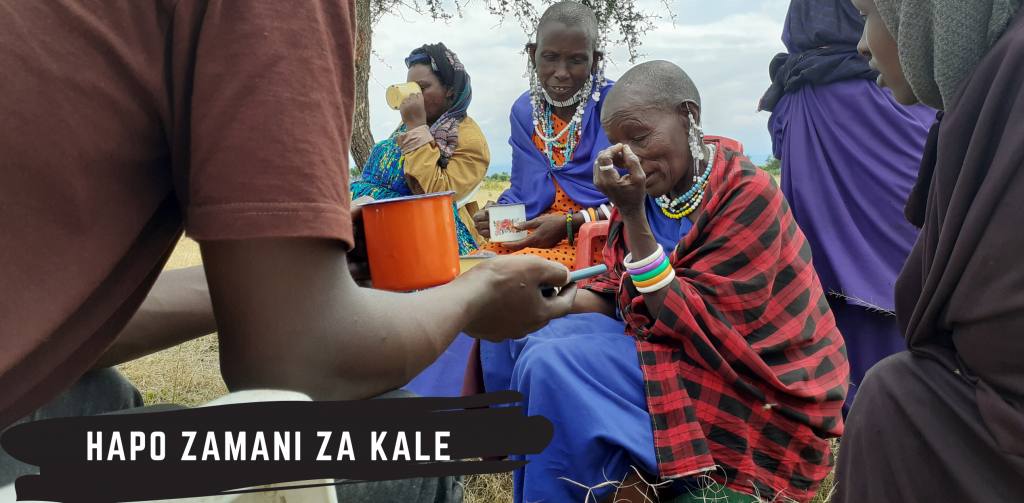
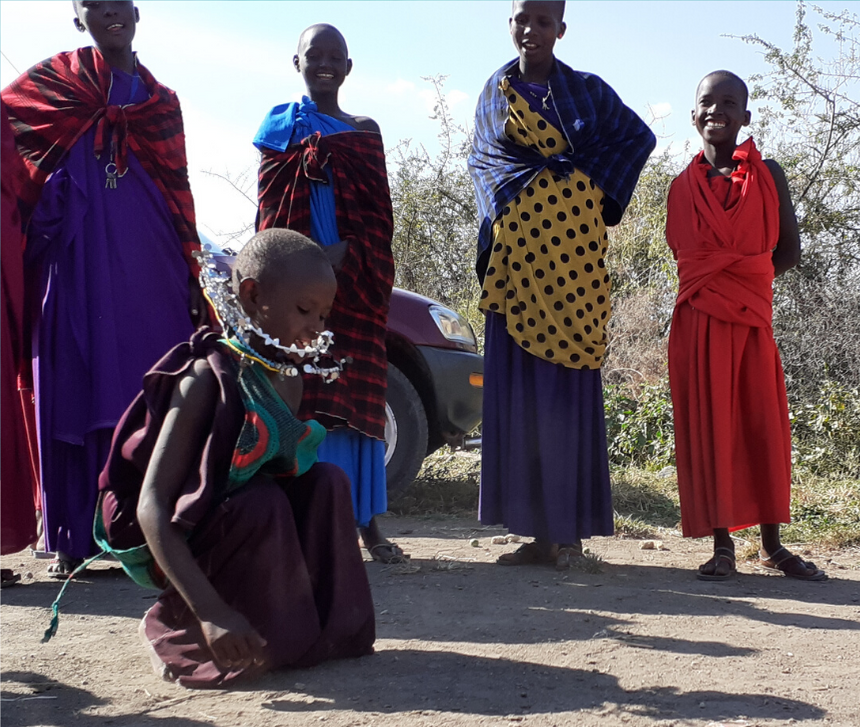
such as those from the Hadzabe and Datoga tribes.
As children growing up in Tanzania, almost all of us looked forward to listening to stories told by our grandparents. Each story was unique, funny, and had a moral lesson to teach us. As we look back on these moments, we remember them as times of bonding with our siblings and relatives around a fire, under a huge mango tree, in an aromatic kitchen or in our family rooms. Sadly today, the simple joys of telling and listening to African folktales are almost impossible to find in most families. This is not so for the Hadzabe and Datoga people who still carry on and and enjoy storytelling practices. They have been the holders of cultural traditions for generations. This exhibition is a celebration of our stories and those who have preserved them.
Hapo Zamani za Kale is a flagship storytelling project under AC4D Africa, dedicated to preserving, restoring, and promoting the rich tradition of African folklore for future generations. Rooted in the cultural practice of oral storytelling, the initiative focuses on collecting and publishing Swahili folktales that celebrate Tanzania’s heritage while passing down important life lessons, values, and wisdom to young people. Since its founding in 2019, parts of this work have been transformed into published books and educational resources distributed in schools, ensuring that traditional stories remain accessible and relevant in modern learning spaces. Through creative collaboration with elders, indigenous communities, artists, and educators, Hapo Zamani za Kale continues to safeguard storytelling as a vital cultural bridge between past, present, and future generations.
Hadithi njo, uongo njoo, utamu kolea
My work is titled “Mackerels from the Indian Ocean” and is inspired by the story of “young mackerels and old turtle” translated from its original Swahili title “Vibua Vijana na Kasa Mzee” from the book Hapo Zamani Za Kale. My work portrays how the narratives of our cultural stories should not be seen as outdated. They are still relevant and productive narratives for preserving our history. Our identity and the values of our culture are timeless and can be used to teach our communities and offer solutions to the problems and challenges that exist at this time. The story of “young mackerels and old turtle” provides awareness of environmental care and the importance of marine conservation. Just like many other stories that teach by engaging with examples from nature, I use these characters as metaphors to build a nature conservation ethos within people’s minds. The story becomes an essential way of promoting nature conservation.
I use the colour black to reflect today’s generation, in not knowing the narration of our stories. In the picture, there are three fish, the lower one has its mouth closed, representing the previous generation that does not exist and can no longer do the narration or tell the stories of that time. The fish in the middle looks fresh and big to show that the current generation, in between the past and future generations, has a great chance to develop, pass on and strengthen the narration of our stories in a variety of ways in order to provide an awareness and new beginning for the next generation of storytellers, so that they don’t get lost. The fish at the top has its mouth open to emphasize and stimulate the narration of stories for future generations. The gills from both sides are used as metaphors–representing the act of gas change between the water and the fish’s tissues (an effective and healthy activity for the fish). This represents how stories and historical narratives are exchanged from one generation to another.
The Indian mackerels or rastrelliger kanagurta (the scientific name for the mackerels found in the Indian Ocean), used as collages in this painting, are from the Indian Ocean,
Tanga region, Tanzania.